
If you’ve ever had to cancel plans because of a pounding headache, you know how disruptive it can be. You’ve probably tried pain relievers, dark rooms, and cold compresses. But what if the real source isn’t in your head at all? For many people, the root cause is much closer to home—literally. Issues in the cervical spine, the muscles around it, and even poor daily habits can send pain signals straight to your head. At Dr. Shahb Arani’s clinic, we see this pattern regularly: patients arrive convinced they have a migraine, only to discover their neck is the actual culprit. Understanding this connection is the first step toward lasting relief.
Not all headaches are the same
Before chasing solutions, it helps to know what you’re dealing with. Not all head pain shares the same origin or treatment path.
- Tension headaches are the most common type, often described as a tight band squeezing the skull. Stress and muscle tension are frequent triggers.
- Cervicogenic headaches start in the neck and refer pain upward. The pain usually begins in the neck or base of the skull and spreads over the head, often on one side.
- Migraines are neurological events that can cause throbbing pain, nausea, and sensitivity to light and sound. They may or may not be related to neck issues.
- Cluster headaches are rare but intensely painful, occurring in cyclical patterns behind one eye. They are brief but severe and require different management.
Recognizing the type narrows down effective care.
The neck-headache connection
The cervical spine is more connected to head pain than most people realize. Nerves that exit the upper neck travel upward and supply sensation to the scalp, face, and skull. When joints in the neck become stiff, muscles tighten, or discs lose their normal position, these nerves can get irritated. The brain interprets the signal as head pain even though the source is in the neck. This is called referred pain, and it is a hallmark of cervicogenic headaches.
Modern life makes this worse. Hours spent looking down at phones or leaning forward at desks push the head forward, straining the neck and upper back. Over time, this forward head posture changes the biomechanics of the cervical spine, increasing pressure on joints and soft tissues. Many patients we see sit at computers for eight to ten hours a day, then wonder why their headaches worsen by evening. The neck is bearing a burden it was never designed to carry.
Common triggers
Several everyday factors can turn a healthy neck into a headache generator:
- Stress: Mental tension causes the shoulders and neck muscles to contract, compressing nerves and joints.
- Poor sleep: The wrong pillow or sleeping position can leave the neck misaligned overnight.
- Bad posture: Slouching, forward head posture, and rounded shoulders strain cervical structures.
- Screen time: Prolonged device use keeps the neck in flexed positions and adds visual stress.
- Food triggers: Certain foods and drinks, especially aged cheeses, alcohol, and caffeine, can provoke migraines in susceptible people.
Often these triggers overlap, creating a cumulative effect.
Red flags: when a headache is an emergency
Most headaches are benign, but some signal an emergency. Seek immediate care if you experience:
- A sudden, severe “thunderclap” headache that reaches maximum intensity in seconds
- Headache after a head injury, even if the injury seemed minor
- Headache accompanied by fever, stiff neck, confusion, or rash
- New weakness, numbness, vision changes, or difficulty speaking
- A headache pattern that changes significantly after age 50
These signs may indicate bleeding, infection, or neurological conditions requiring urgent attention.
What helps: from home care to professional care
For mild to moderate headaches, home strategies can provide meaningful relief. Gentle neck stretches throughout the day can ease muscle tension and improve mobility. Cold compresses on the forehead or neck reduce inflammation during acute episodes, while warm packs can relax tight muscles before bed. Over-the-counter pain relievers work for some people, but they address symptoms rather than causes and are not ideal for long-term use. Adjusting your workstation ergonomics—raising the monitor to eye level, using a supportive chair, and taking brief movement breaks every thirty minutes—can prevent daily strain. Mindfulness, deep breathing, and regular exercise also lower baseline tension. If headaches become frequent, a professional evaluation is the smart next step.
What chiropractic can do for headaches
Research supports chiropractic care as an effective option for cervicogenic headaches. Clinical studies have shown that spinal manipulation and mobilization targeted at the cervical spine can significantly reduce headache frequency, intensity, and duration. One landmark study found that chiropractic treatment provided similar relief to a commonly prescribed medication but with fewer side effects.
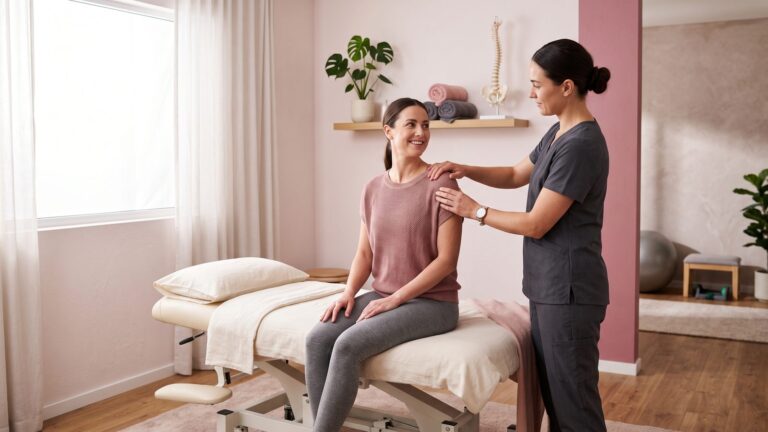
At our clinic, we take a thorough, individualized approach. We begin with a detailed assessment of your neck’s range of motion, posture, and joint function. If the examination suggests a cervical origin, we use gentle, precise adjustments to restore normal joint movement and reduce nerve irritation. Many patients report fewer headaches and improved neck mobility after just a few sessions.
Beyond adjustments, we address the habits that created the problem. We may recommend specific exercises to strengthen deep neck stabilizers, ergonomic modifications for your desk, and posture cues for daily activities. The goal is not just temporary relief but a long-term change in how your neck functions. For patients with migraines that have a neck component, this comprehensive approach often becomes a valuable part of their management plan.
When to book a visit
If your headaches are becoming a regular feature of your week, it is time to get answers. A chiropractic evaluation can determine whether your neck is contributing to your pain and what specific care will help. At Dr. Shahb Arani’s clinic, we combine evidence-based techniques with personalized attention to help you feel like yourself again. Book a visit today at https://drshahabarani.com/en/about/ and take the first step toward breaking the cycle.
Related reading
Ready to take the next step?
Call the clinic or send us a message on Instagram for a personalised assessment.